DBG doubles prize money for master theses

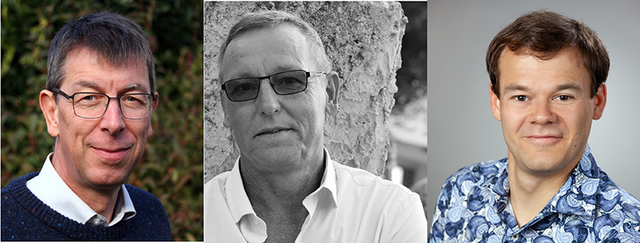
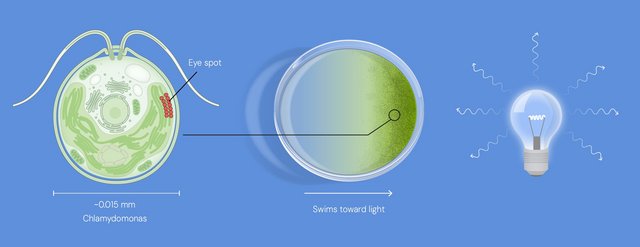
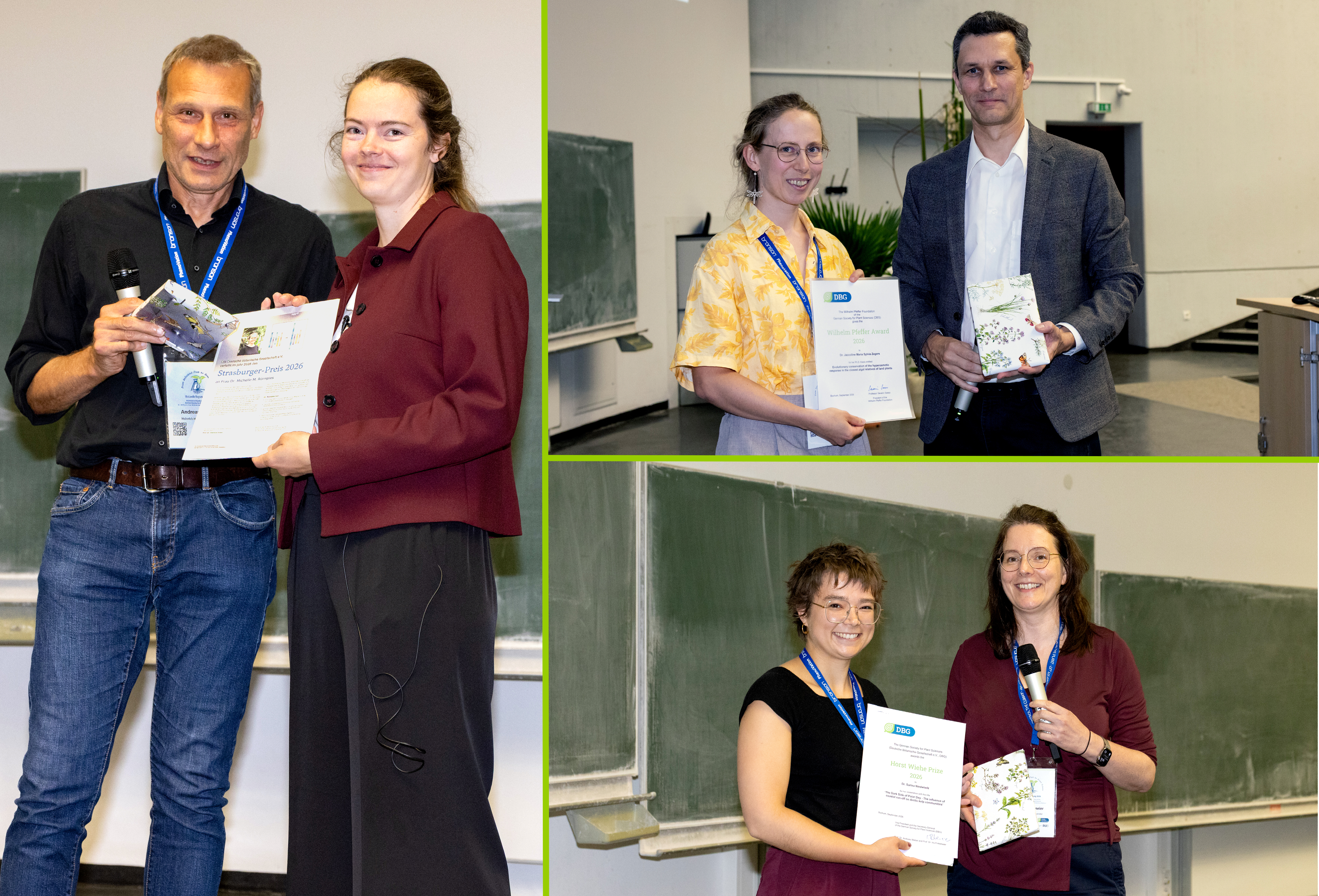
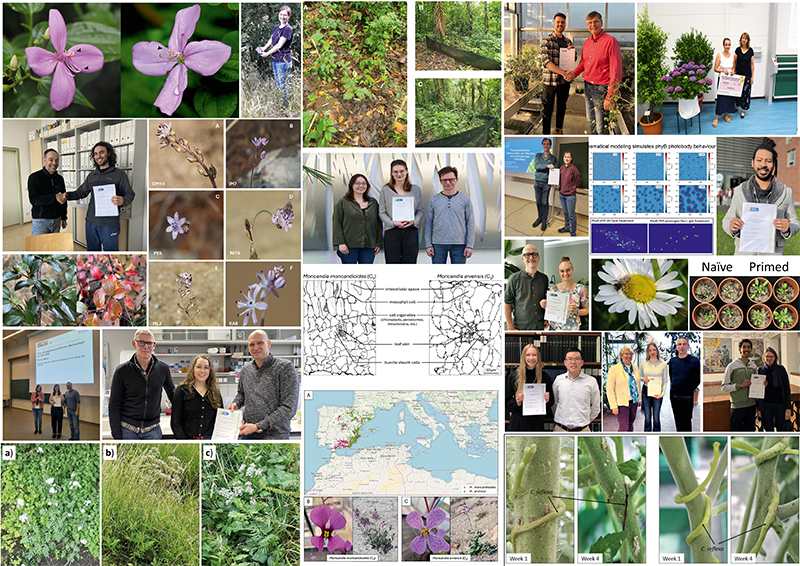
To celebrate the awarding of this year’s Nobel Prizes to two members of our German Society for Plant Sciences (DBG), DBG doubles the prize money for the master’s theses to 200 Euros each. In this way, our society aims to give special recognition to the best theses by early career researchers (ECRs). The alga scientists Professor Peter Hegemann (HU Berlin) and Professor Georg Nagel (University of Würzburg) paved the way for a new research discipline with their basic research on the so-called channelrhodopsins (see: Nobel Prize for two members and discoverers of channelrhodopsins). Together with this year’s third Nobel laureate, Professor Karl Deisseroth (Stanford University), they developed their research further into optogenetics, since they had already recognized potential applications of rhodopsins at the beginning of the century. Now the light-controlled rhodopsins can be “integrated” into the nerve cell membranes to selectively activate and deactivate nerve and brain cells from the outside, much like a light switch. Plant research also uses this technique for contactless control of electrical stimuli, which can be applied with pinpoint precision and at variable frequencies and amplitudes (see also: So profitiert die Pflanzenforschung von der mit dem Nobelpreis ausgezeichneten Optogenetik). Therefore, established plant scientists have one more reason this year to nominate promising candidates to the contact persons at the participating universities to recognize the achievements of early career plant scientists.