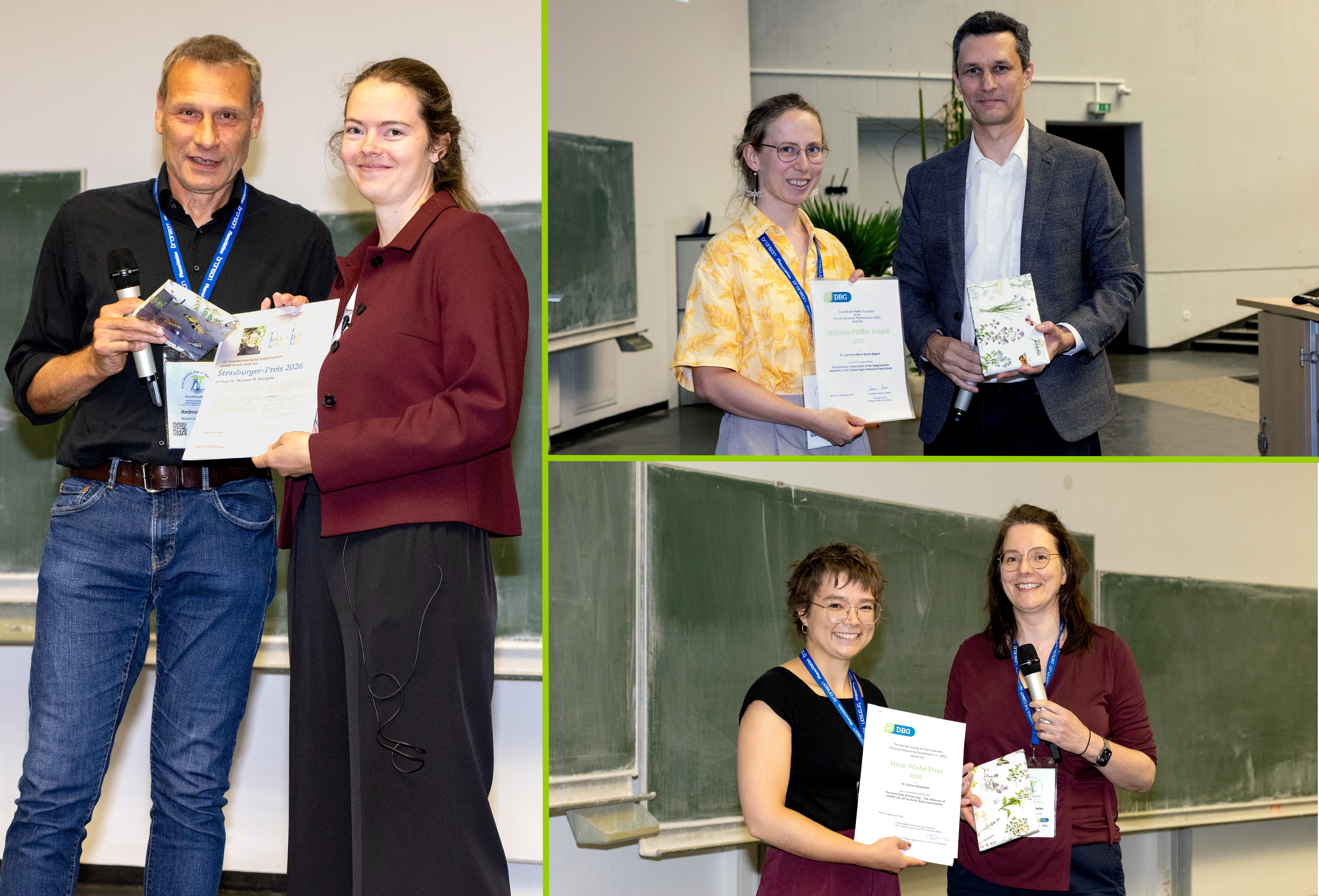
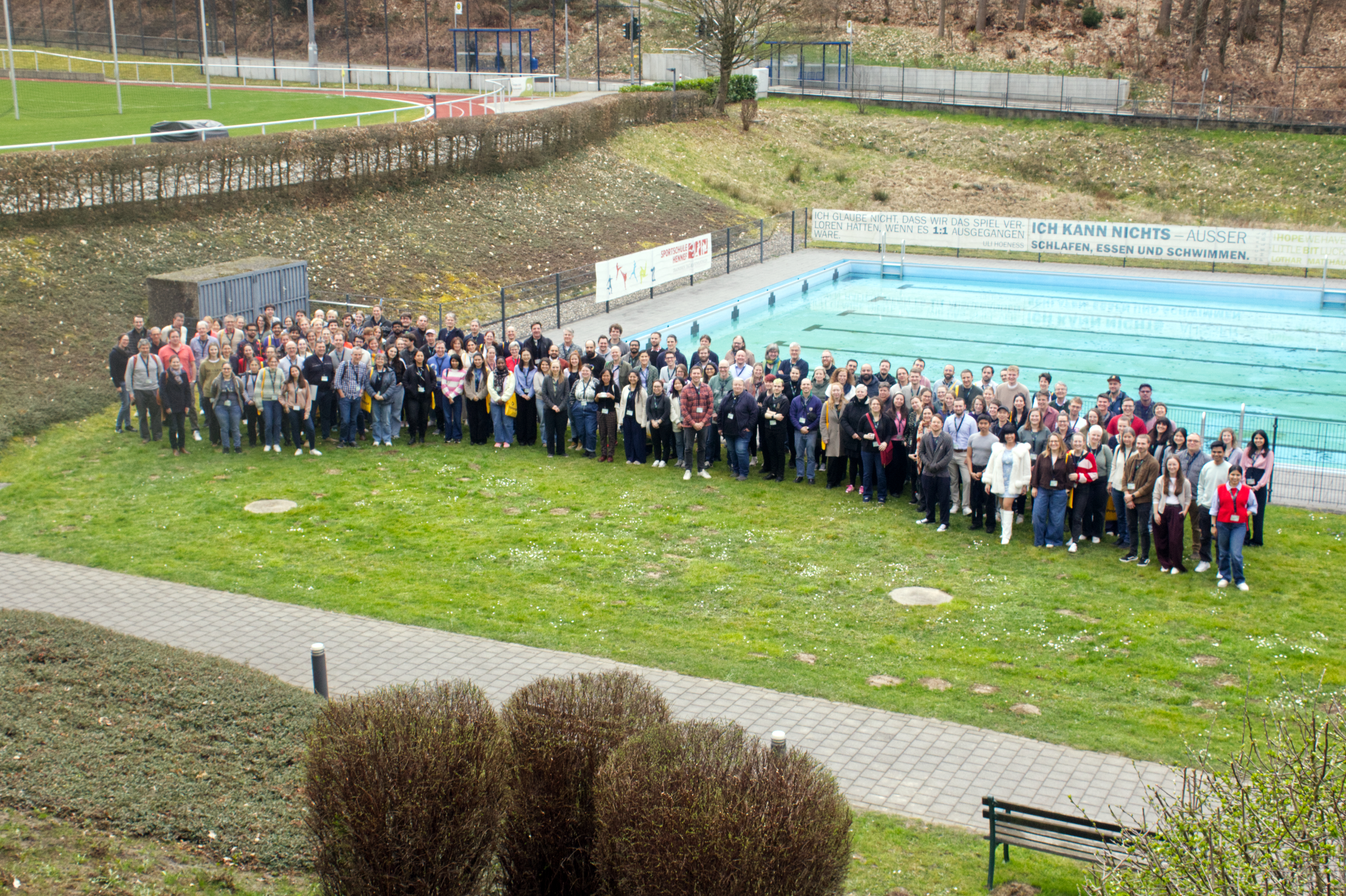
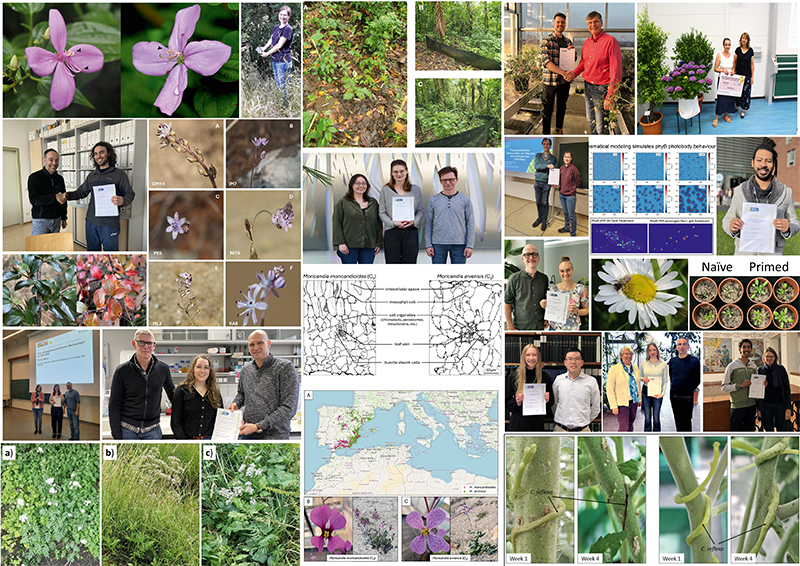
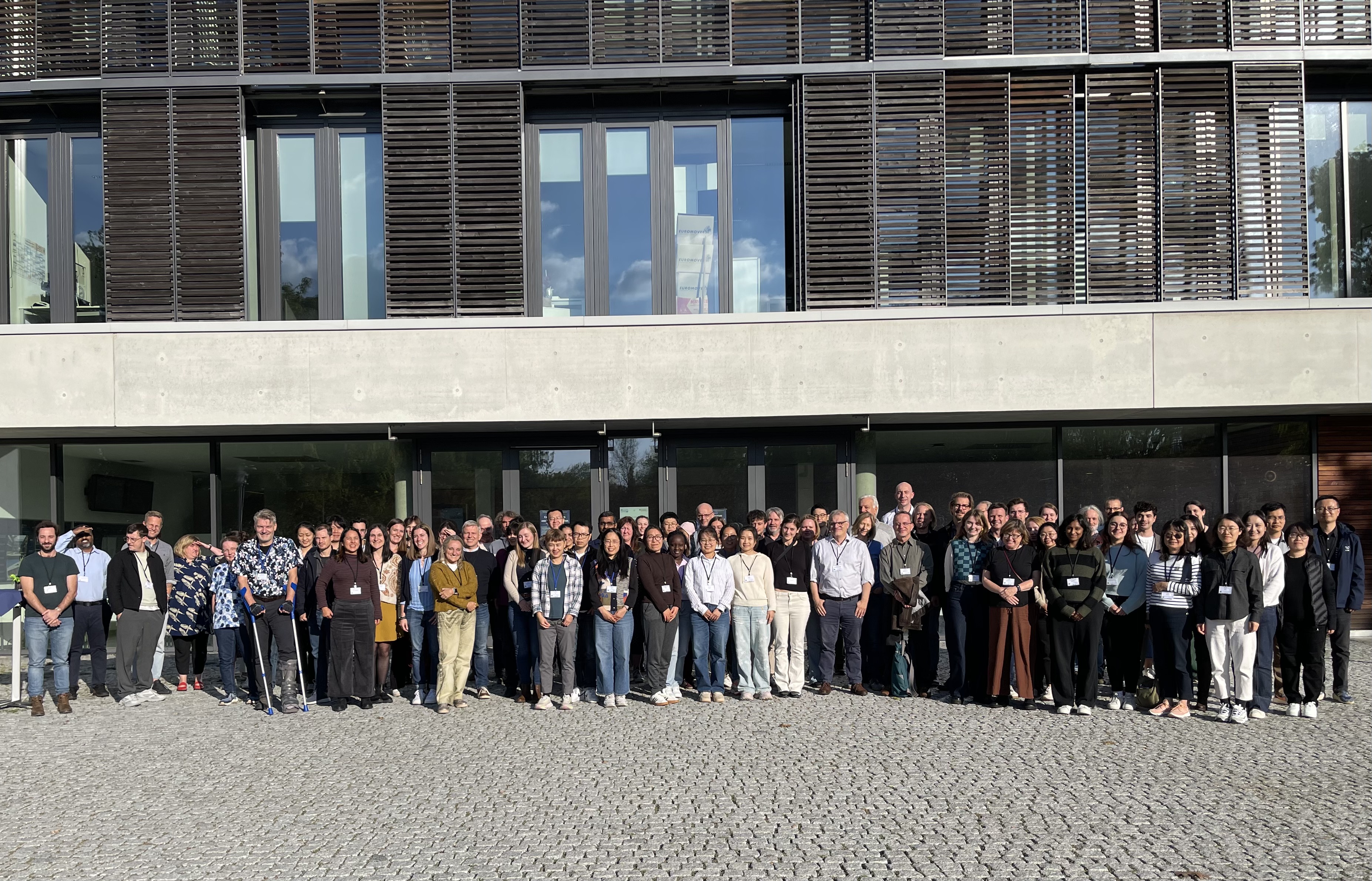
The Central German Plant Physiology Conference, which brings together young scientists from four universities every year, took place for the 24th time, this year in Dresden as scheduled. In addition to providing a very important forum for presentations by early career scientists (ECRs), the conference also plays a major role in promoting general scientific exchange between neighbouring universities in the field of plant sciences. Approximately 50 participants registered with a total of 20 presentations, 15 of which were given by researchers ranging from bachelor's and master's students to doctoral candidates. Once again, the sessions were chaired by ECRs. For those, who have been participating for some time, the development of scientific projects over the years is exciting, and it is possible to follow the many advances in the particular topics. This conference is free of charge for participants, since DBG's financial support enabled us organisers to provide well-equipped coffee breaks and to provide financial support to seven actively participating students at the bachelor's or master's level as well.
The topics presented ranged from plant development to abiotic stress and biotic interactions, as well as several contributions dealing with method development. The latter inspired many participants with new ideas. Techniques included - in addition to physiology - biochemical, molecular and genetic methods. Overall, the diversity of topics and the quality of the presentations were highly praised. Since the presentations were almost exclusively given by ECRs, a great deal of data from as yet unpublished projects was presented. These were discussed in detail, with the many coffee breaks again being put to good use. The conference format, consisting of two half-days, proved successful once again, as discussions continued not only during the scientific programme and coffee breaks, but also during the joint dinner afterwards at a local brewery. Organiser Prof. Dr. Jutta Ludwig-Müller reports about the topics, new ideas and the focus of research.

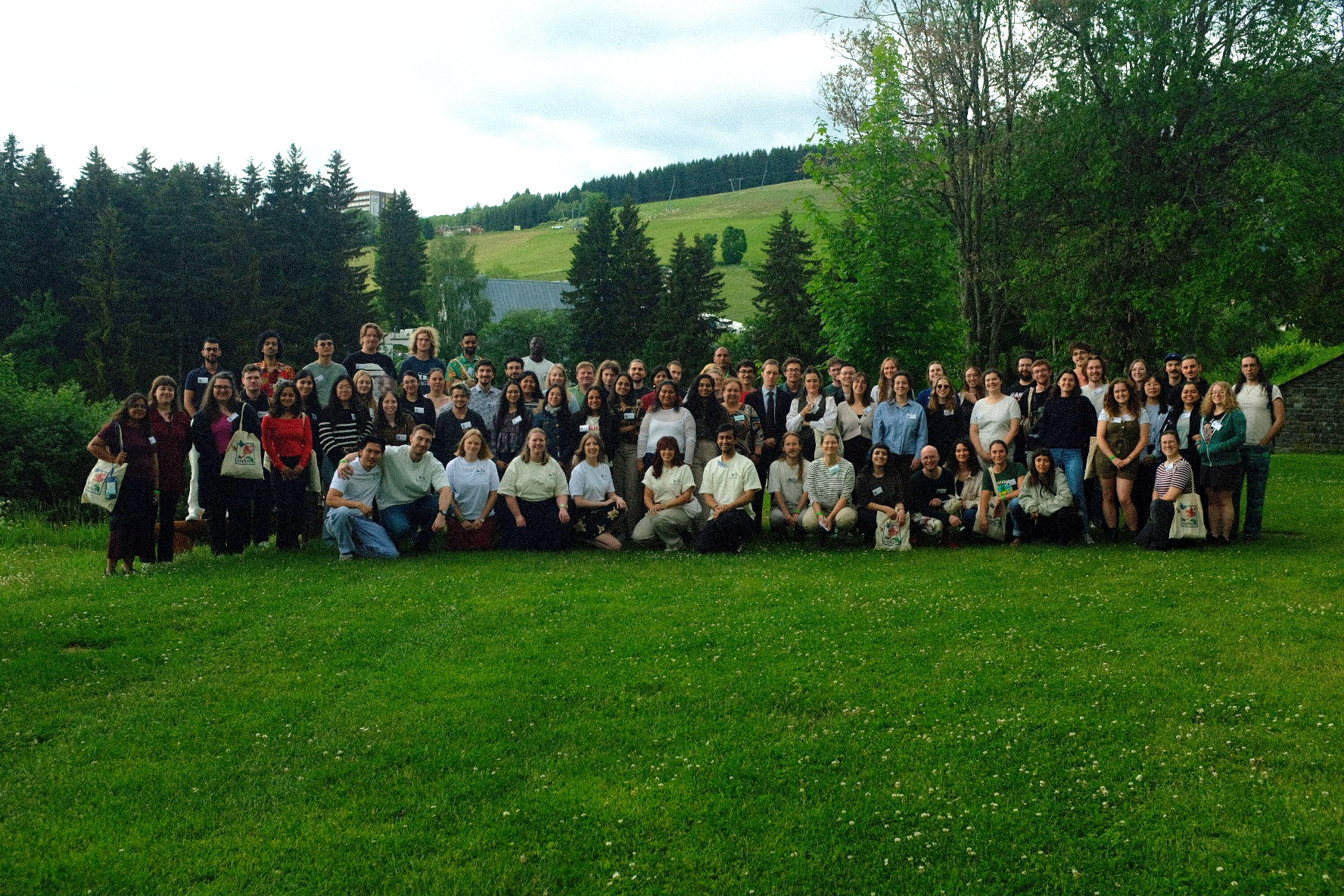
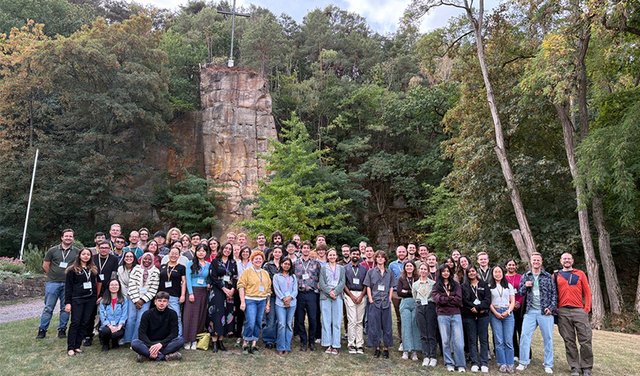 Participants of the 13th PhD School on Plant Development in the gardens of Kloster Neustadt, the venue of the PhD school. Photo: Moritz Nowack