DBG · Press release

Genome restructured, evolution of land plants, arctic kelp forests and trees’ surfaces: awards for four plant scientists

Use of images and copyrights 

Usage of the following images is permitted for reporting this year’s science awards from DBG 2026 Genome restructured, evolution of land plants, arctic kelp forests and trees’ surfaces: awards for four plant scientists and the scientific results of the four awardees. Please acknowledge the photographers and obey copyright issues.

Please click on the photos/graph to receive higher resolutions.
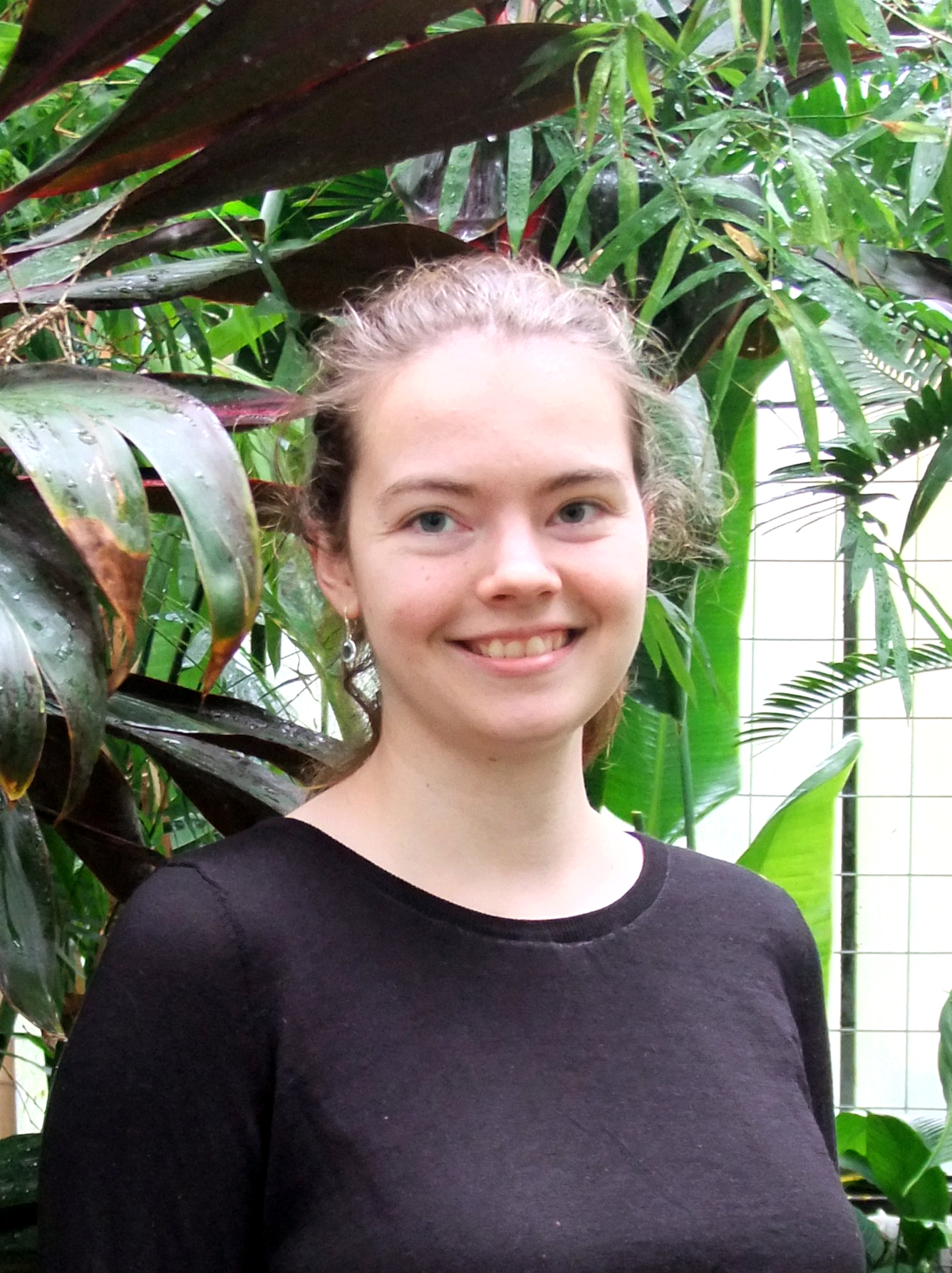
Dr. Michelle Rönspies at the Joseph Gottlieb Kölreuter Institute for Plant Sciences (JKIP), in the former Botanical Garden of the Karlsruhe Institute of Technology (KIT). Photo and (c): Carina Jülch, KIT
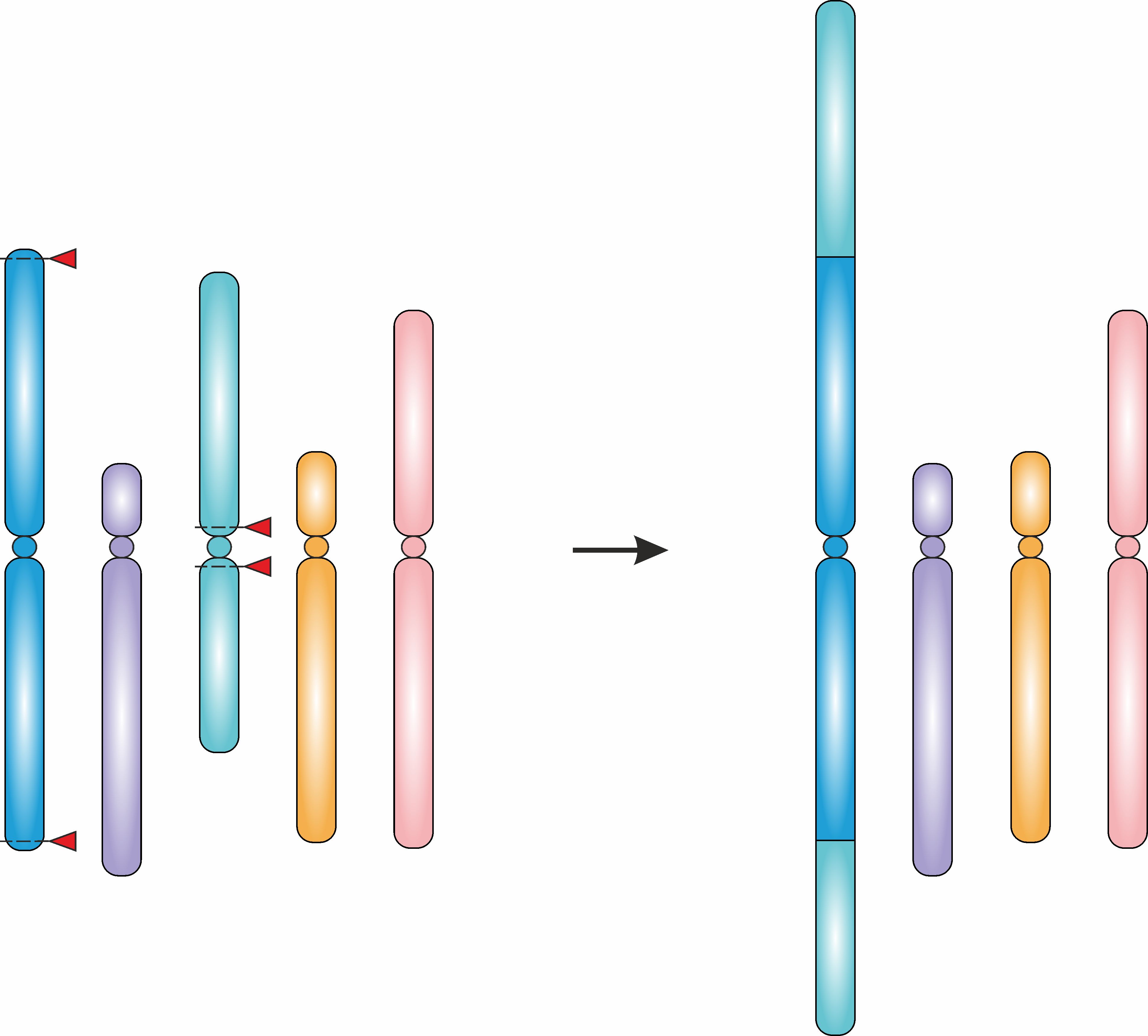
The graph shows exemplarily how Dr Rönspies reduced the number of chromosomes by fusing chromosome number three to chromosome number one, schematically visualized in the haploid chromosome set. Graph and (c): Michelle Rönspies, KIT
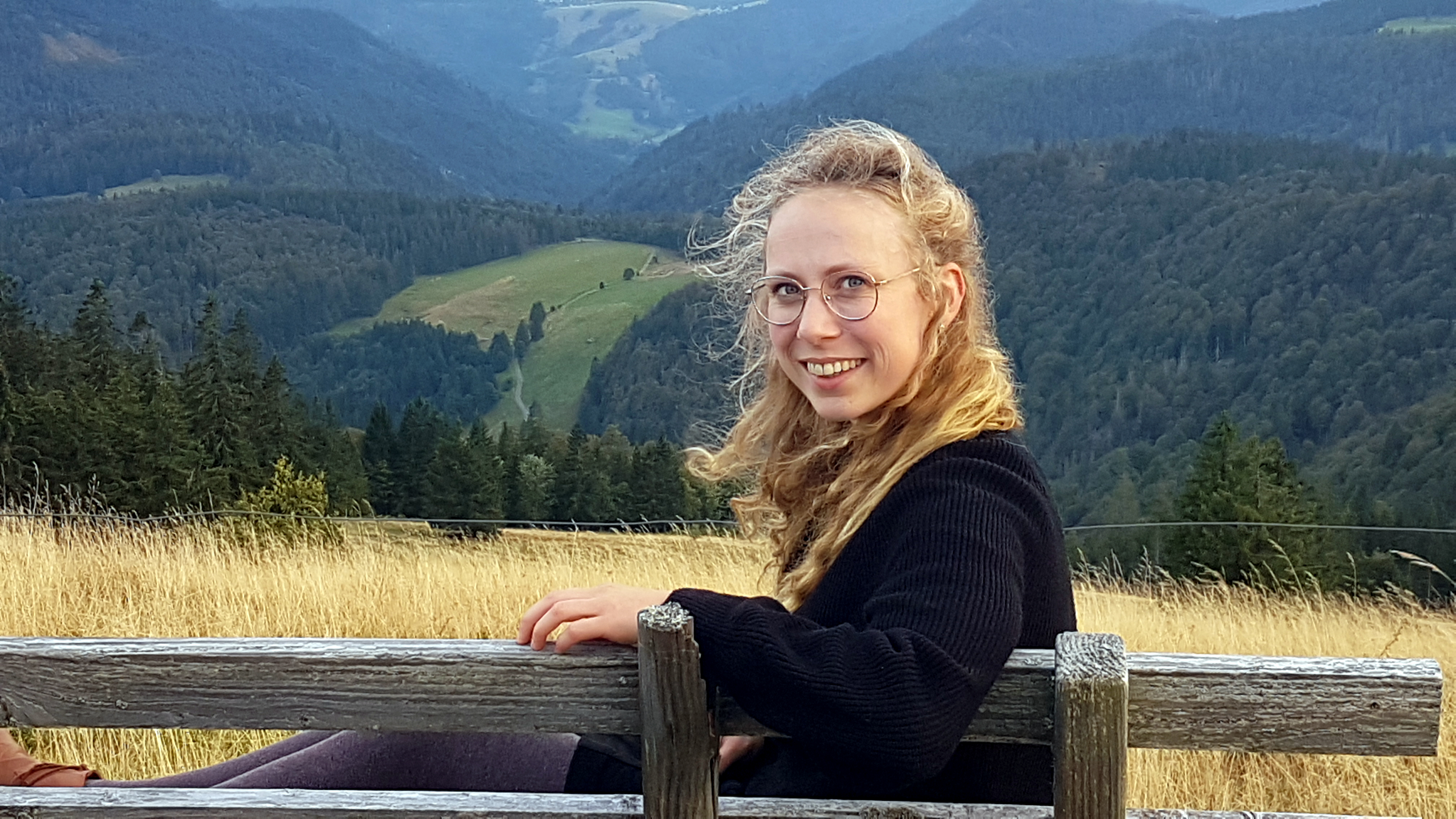
Dr Jaccoline Zegers enjoyed a hiking tour after the conference of the DFG-funded priority programme MAdLand (Molecular Adaptation to Land: plant evolution to change) at Herzogenhorn in the Upper Black Forest. Photo and (c): Dr Amra Ashok, Göttingen University
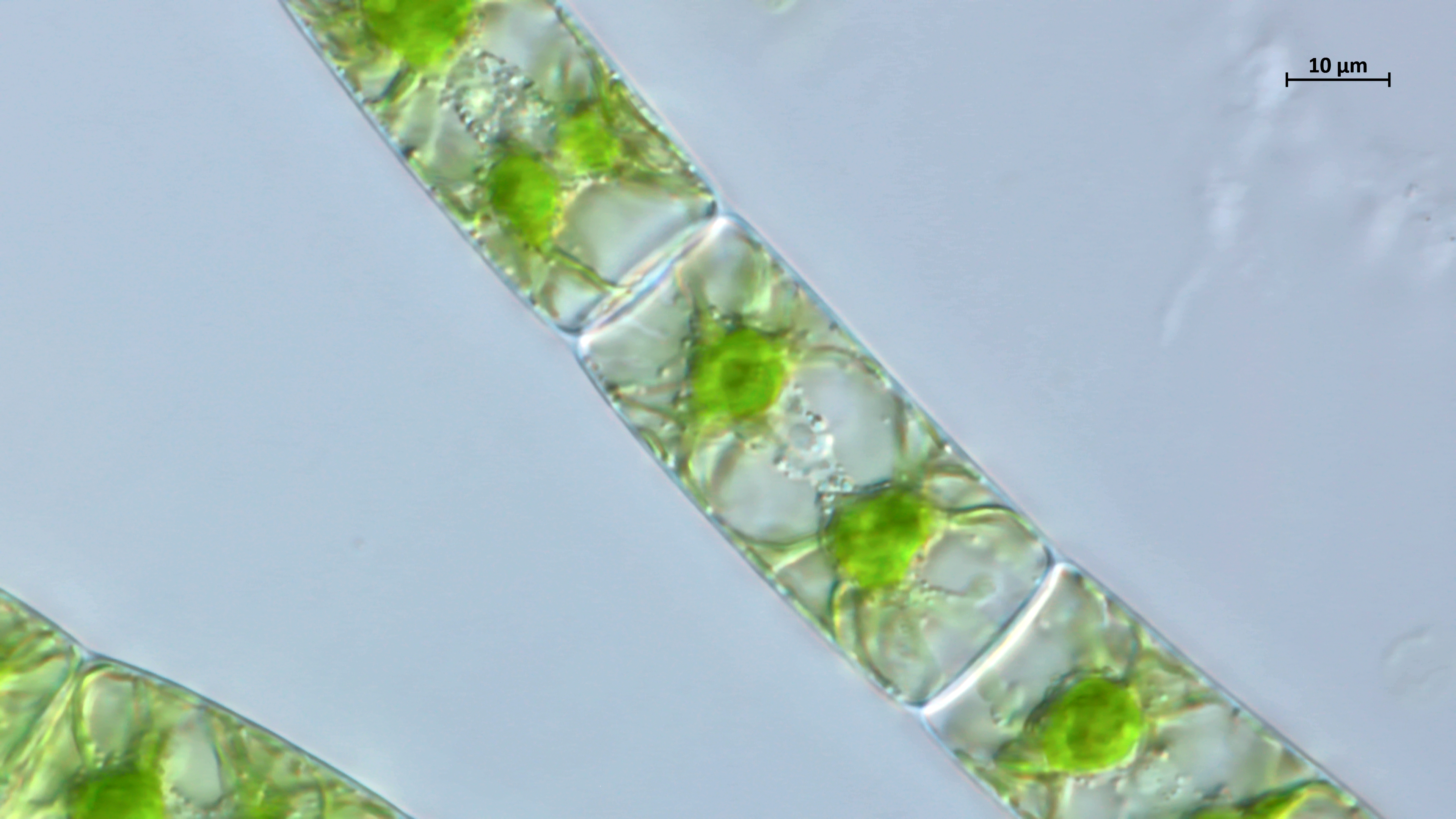
One of Dr Zegers analysed algae from the group of Zygnematophyceae named Zygnema circumcarinatum. Image and (c): Dr Jaccoline Zegers, Göttingen University
Dr Sarina Niedzwiedz holds sugar kelp (Saccharina latissima) from Woodfjorden, Svalbard, to analyse its biochemical compounds along the fjord’s abiotic gradient. Photo and (c): Dr Phoebe Armitage, Åbo Akademi University, Finland
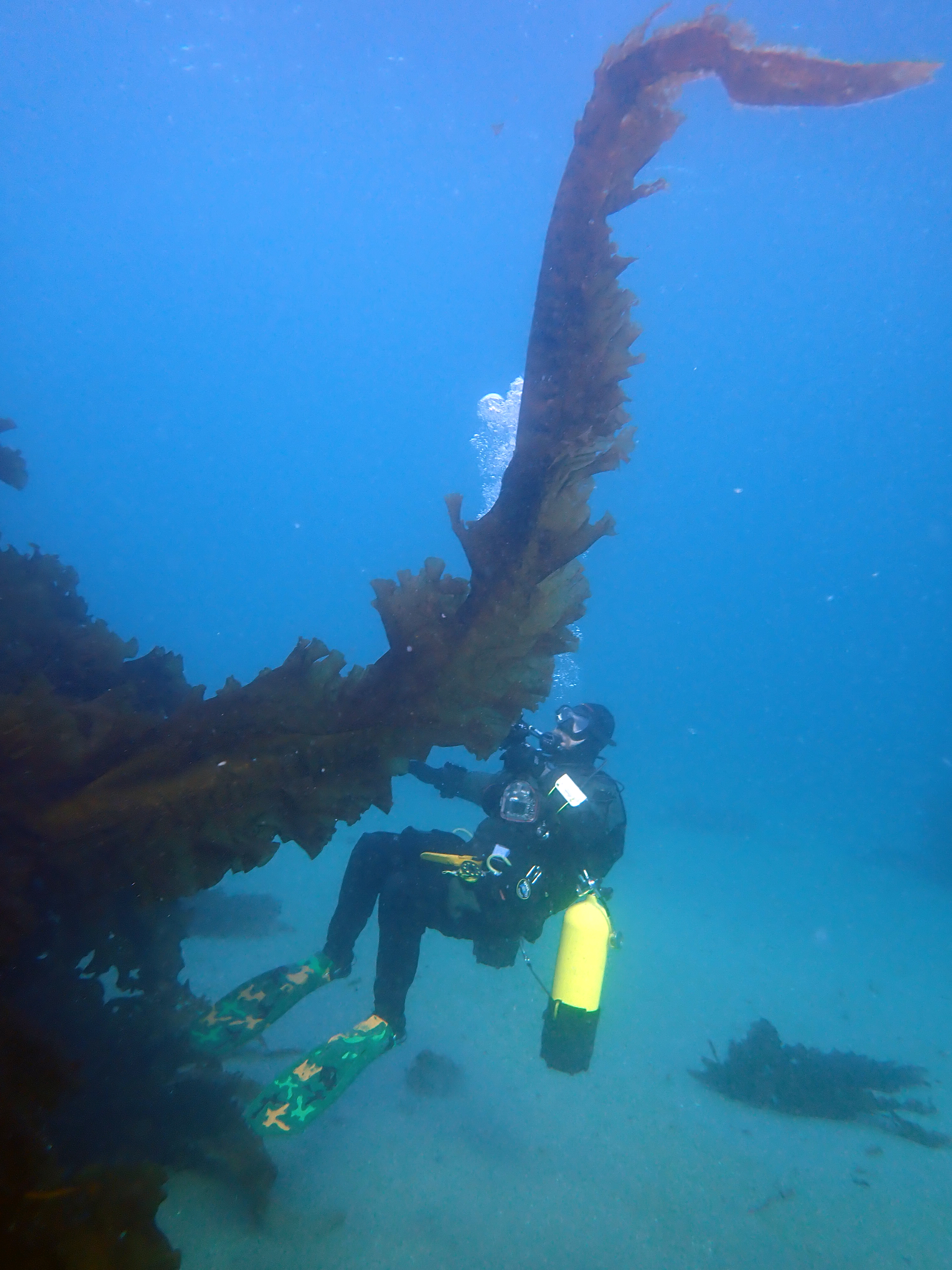
Samples of the sugar kelp (Saccharina latissima) from the Nuup Kangerlua fjord at Iceland will later be analysed in the lab to test the influence of climate change. Photo and (c): Sarina Niedzwiedz, Bremen University
Dr Paul Grünhofer. Photo and (c): private
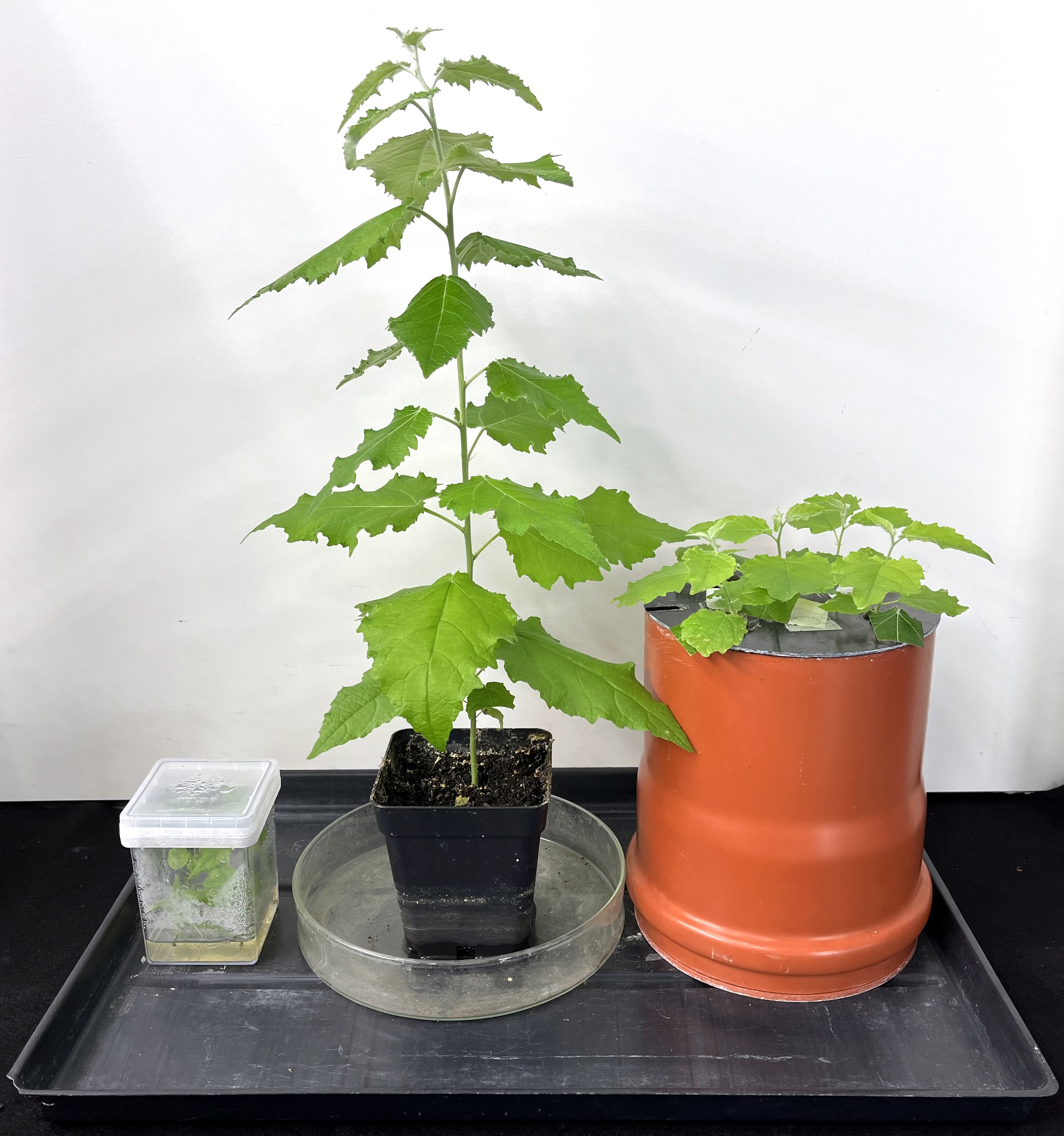
The inner and outer protecting surfaces were studied by Dr Paul Grünhofer in different developmental stages of the poplars in climate chambers, greenhouses as well as in the field. Photo und (c): Paul Grünhofer, Bonn University
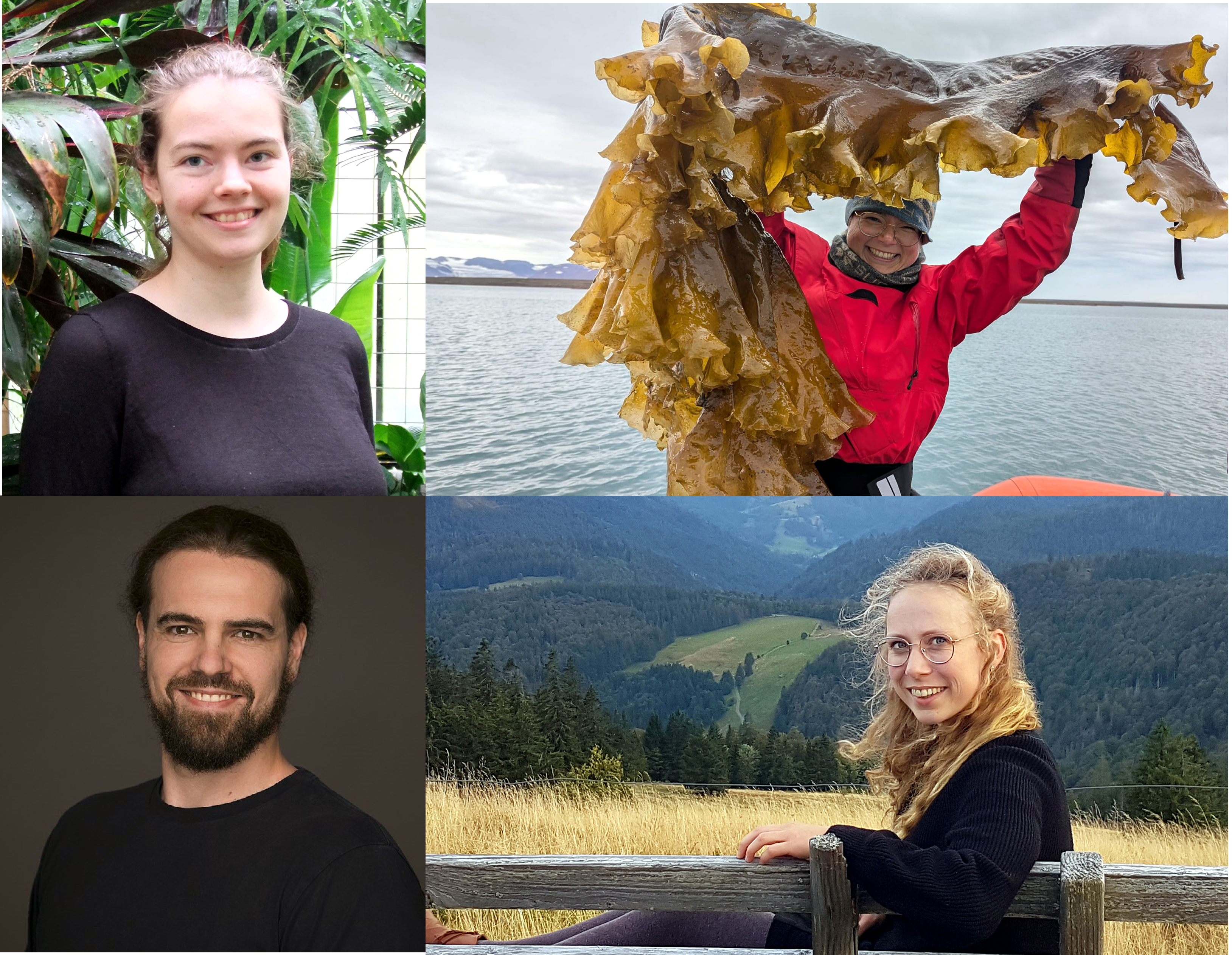
Dr Michelle Rönspies, Dr Sarina Niedzwiedz, Dr Jaccoline Zegers and Dr Paul David Grünhofer (clockwise, starting top left) receive this year‘s awards for excellent plant sciences. Photos and (c): Carina Jülch, Phoebe Armitage, Amra Ashok, private